

Mexico Road Trip Money Tips
Cash in Mexico: Why Drivers Should Carry Pesos
Cards are accepted in many parts of Mexico, but cash still matters — especially when you are driving. Tolls, gas stations, parking, tips, street food, small towns, and emergencies can all require pesos.
Is It Safe to Carry Cash in Mexico?
Many travelers worry about carrying cash while traveling, and that concern is reasonable. Carrying too much money can make anyone feel exposed. But if you are driving in Mexico, carrying some cash is practical and often necessary.
The goal is not to carry a huge amount in one place. The goal is to carry enough pesos for road expenses while keeping your money divided, hidden, and easy to access when you need it.
When You’ll Need Cash
Toll Roads
Many toll booths are easiest to handle with cash. Keep small bills and coins available so you are not searching through your wallet at the booth.
Gas Stations
Some stations accept cards, but not all do. Cash is especially useful in smaller towns, remote areas, and during card terminal outages.
Small Vendors
Street food stands, local markets, parking attendants, beach vendors, and small shops may be cash-only.
Emergencies
Roadside help, a tire repair, a tow, unexpected parking, or a small-town mechanic may be much easier to handle with pesos.
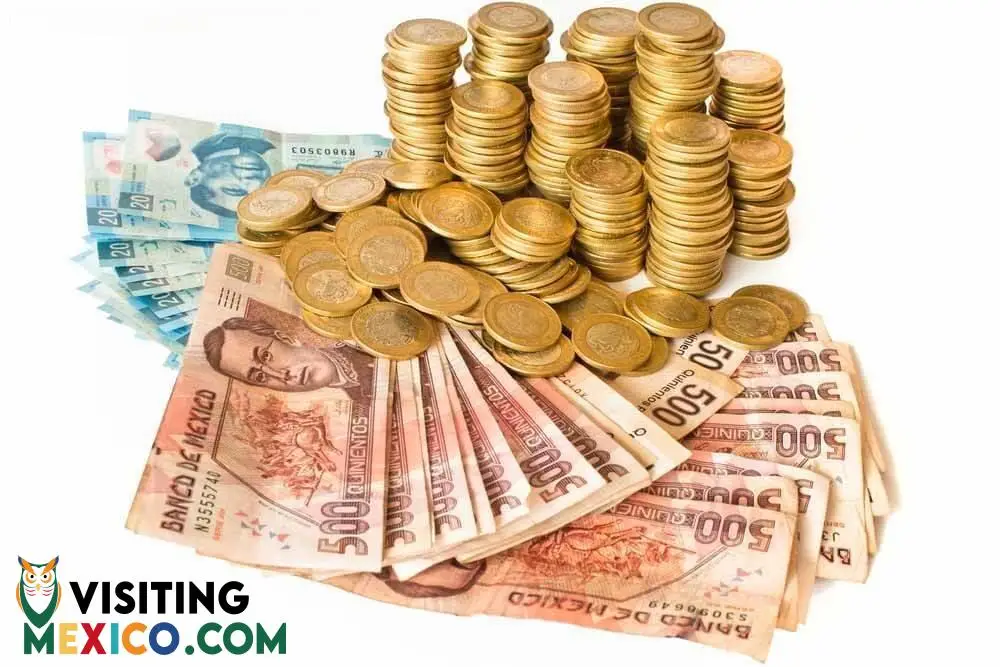
Pesos Are Usually Better Than Dollars
In some tourist areas, vendors may accept U.S. dollars. But you may pay more if you rely on dollars instead of pesos, because the exchange rate offered by a vendor is rarely as favorable as the rate you can get from a bank, ATM, or exchange service.
For road trips, pesos are simpler. Toll booths, parking, local restaurants, small stores, and gas stations are easier when you have Mexican currency ready.
How Much Cash Should You Carry?
A simple rule is to carry enough cash for the day’s road expenses, meals, tips, and a small emergency buffer. The older rule of thumb was around $30 USD per day, but road trippers may need more depending on toll routes, fuel stops, group size, and distance traveled.
For City Travelers
Carry enough pesos for taxis, tips, snacks, markets, and small purchases. Cards are more common in larger cities, but cash still helps.
For Road Trippers
Carry more than a city traveler because you may need toll money, fuel money, parking cash, and an emergency reserve between towns.
For Groups
Do not make one person carry everything. Split emergency cash across trusted travelers so one lost wallet does not ruin the trip.
Driving to Mexico?
Cash Helps. Insurance Matters More.
Cash can help with tolls, gas, and road trip expenses. But if you are driving in Mexico, you should also carry Mexico auto insurance from a Mexican carrier. U.S. insurance is not recognized by Mexican authorities for liability you cause to others.
Before You Cross
Get your policy, print your documents, and keep your claims instructions in the vehicle.
Get Instant QuoteCash in Mexico FAQ
Should I carry cash in Mexico?
Yes. You do not need to carry excessive cash, but drivers should carry pesos for tolls, gas, parking, tips, small vendors, and emergencies.
Should I use dollars or pesos in Mexico?
Use pesos when possible. Some vendors accept U.S. dollars, but you may get a poor exchange rate or pay more than you would with pesos.
Do gas stations in Mexico accept credit cards?
Some do, especially in larger cities and busy travel corridors. But cash is still useful because smaller stations, remote stops, or card terminal outages can create problems.
How should I carry cash safely?
Carry smaller amounts in easy-to-access places for daily expenses, keep larger amounts hidden, divide cash between travelers when appropriate, and avoid showing large bills in public.
Do I need separate insurance to drive to Mexico?
Yes. Even if a U.S. carrier covers your vehicle for limited physical damage or theft in Mexico, U.S. insurance is not recognized by Mexican authorities for damage you cause to others. At minimum, carry Liability Only coverage from a Mexican carrier. Learn more about driving laws in Mexico or get a quote from GoBuho.com.