
Thinking of Moving to Tijuana? Get the Real Numbers
California’s cost of living has reached record highs—rents are skyrocketing, groceries are expensive, and many families feel like they’re working harder just to stay afloat. For a growing number of Californians, the solution isn’t moving inland or cutting back—it’s moving south of the border.
Just minutes away from San Diego, Tijuana, Baja California, has become a hub for expats, commuters, and students who want the best of both worlds: the opportunity and income of the United States combined with the affordability, culture, and lifestyle of Mexico. Every day, thousands of people cross the border to work or study in California, while enjoying significantly lower living costs in Tijuana.
But is it really worth it? What’s daily border life like? How much cheaper is housing, food, and healthcare? And what paperwork or insurance do you need to make it all work smoothly?
Let’s break down the real numbers, neighborhoods, and practical details so you can decide if making the move to Tijuana is right for you.
Where Is Tijuana & What's the Border Like?
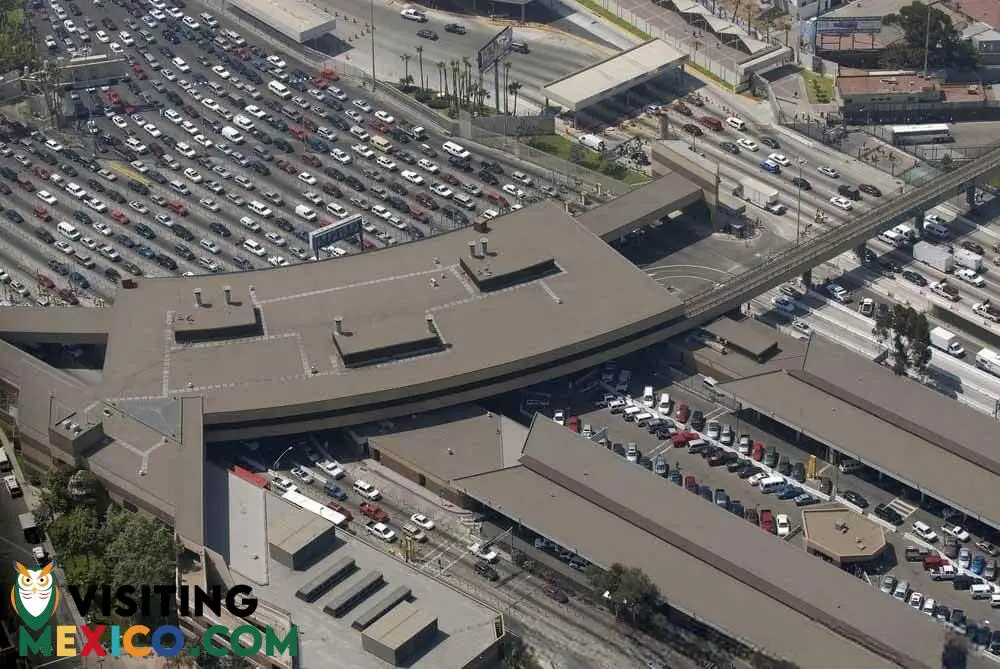
Tijuana sits just south of San Diego, linked by the busy San Ysidro and Otay Mesa crossings. Daily commuting is possible—but think ahead:
Wait times can range from minutes (SENTRI) to several hours.
If you’re living in Mexico long-term, you’ll need an FMM (tourist permit) or a residency visa to stay legally.
Cost of Living: How Much Cheaper Is It?
Monthly Expenses (Including Rent):
- Single person: ~$1,050 USD/month
- Family of four: ~$2,567 USD/month
- Other estimates for singles range between $1,160–$1,350 USD/month
Comparison with San Diego:
Tijuana: ~$1,162 USD/month
San Diego: ~$3,487 USD/month — That’s approximately 200–140% cheaper, depending on whether rent is included
Everyday Goods & Services:
| Category | How Much Cheaper in Tijuana? |
|---|---|
| Groceries | 41–94% cheaper |
| Housing (rent, utilities) | 73–80% cheaper |
| Restaurants, childcare, transport | 2–9× cheaper in most categories |
Detailed breakdown:
1‑bedroom downtown: ~$680 USD/month (vs. $2,840 in San Diego)
Utilities: ~$48 USD (vs. ~$241)
Groceries average: ~41% less overall
Rent Estimates:
Outside central areas: $500–800 USD
In central neighborhoods: $600–1,000 USD
These align with other data citing $500–800 rent for safe, central apartments
Is It Really Worth It? Understanding the Trade-Off

** Absolutely—if managed smartly.**
Lower rents, groceries, healthcare, and services make your U.S. income go much further.
Nice neighborhoods (Zona Río, Playas, Chapultepec, Otay) offer community, safety, and quality of life.
But border crossing can be time-consuming and requires strategy, such as using SENTRI or flexible work/school schedules.
Mexican auto insurance is mandatory to drive legally in Mexico—U.S. policies won’t cover you.
Health care in Mexico is affordable and high-quality. Many opt for private Mexican plans and keep U.S. insurance only for emergencies.
Legally residing in Tijuana long term means obtaining an FMM or residency visa—stay compliant.

At the end of the day, choosing to live in Tijuana while working or studying in California is more than just a financial decision—it’s a lifestyle shift. For many, the numbers speak for themselves: lower rents, affordable healthcare, vibrant culture, and proximity to the U.S. mean a better quality of life without giving up career or education opportunities.
But it’s also about perspective. Living on the border teaches flexibility, patience, and adaptability. It offers a chance to experience two worlds every single day: the energy and opportunities of California alongside the warmth, flavor, and affordability of Mexico.
For some, the daily border routine may feel like a challenge. For others, it’s the price of unlocking a life that balances financial freedom, cultural richness, and personal opportunity.
👉 The real question isn’t just “Can I afford to live in California?”—it’s “Am I ready to redefine what home looks like?”
#VisitingMexico #LivingInTijuana #BorderLife #ExpatLife