

Mexico Road Trip Safety
Drive Mexico Safely
Driving in Mexico can be safe, rewarding, and memorable when you plan your route, use daylight, stay on main roads, understand checkpoints, and carry the right documents and Mexico insurance.
Is It Safe to Drive in Mexico?
Yes, many travelers drive safely in Mexico every day. The key is to plan like a traveler, not like a commuter. Long-distance driving in Mexico works best when you use major routes, avoid night driving, confirm road conditions, and know where you plan to stop.
This guide focuses on practical driving safety: toll roads, fuel stops, checkpoints, RV travel, overnight planning, navigation, and insurance. For state-by-state advisory levels, review the Mexico Travel Advisory page before you go.
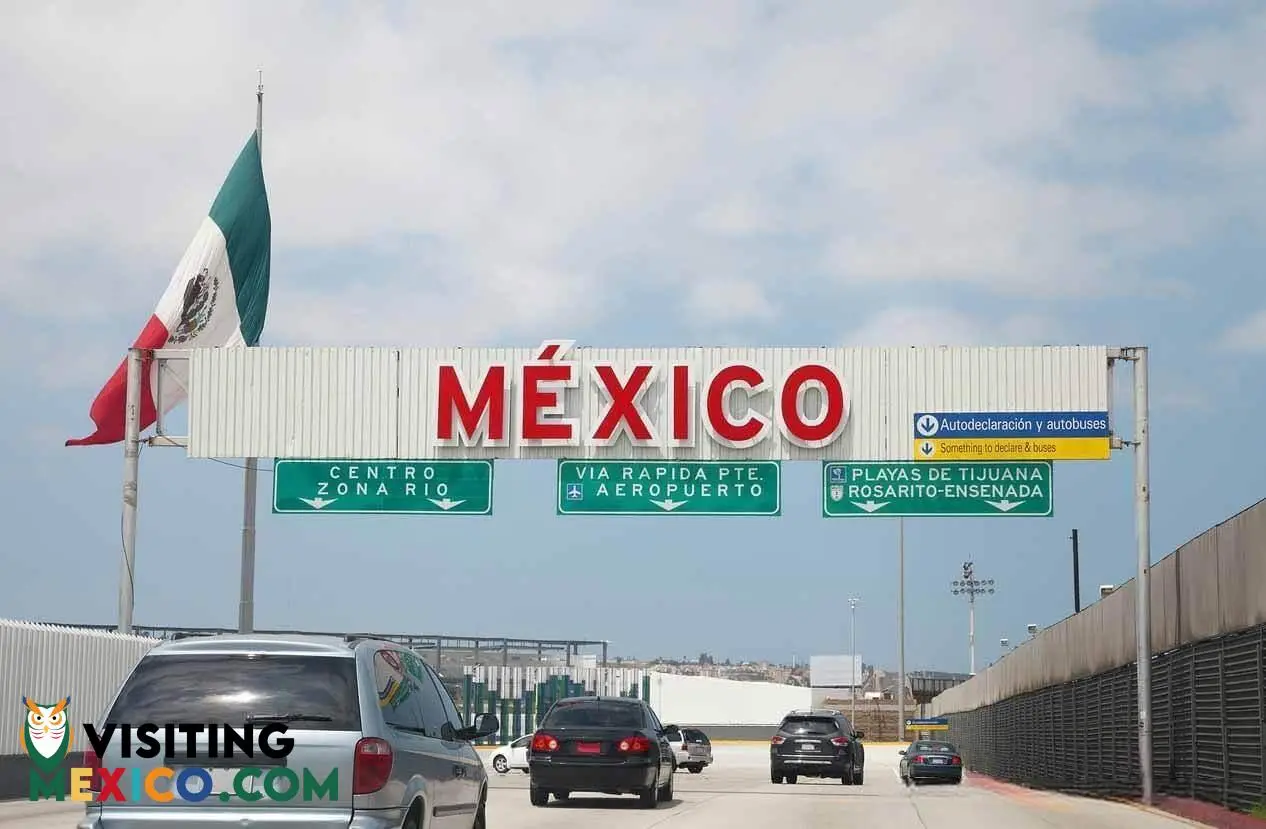
The Safest Mexico Road Trips Start Before the Border
Before you cross, decide your first overnight stop, download maps, carry travel documents, review advisory levels, and avoid building a schedule that forces you to drive after dark. Most problems are easier to avoid than fix on the road.
Essential Rules for Driving Mexico Safely
Drive During Daylight
Plan your route so you arrive before dark. Night driving increases risks from animals, pedestrians, unlit vehicles, topes, road damage, and unfamiliar turns.
Use Toll Roads When Practical
Cuotas are usually faster, more direct, and better maintained than free roads. They are often the better choice for visitors, RVs, and long-distance drives.
Plan Fuel Stops
Do not wait until the tank is low. Fill up before long rural stretches, mountain routes, or unfamiliar areas. Diesel drivers should be especially deliberate.
Watch for Topes
Speed bumps can be large, poorly marked, or placed unexpectedly near towns, schools, toll booths, and village entrances.
Stay Flexible
If weather, road conditions, fatigue, or local advice changes your plan, stop early. A slower trip is better than a risky one.
Carry Mexico Insurance
U.S. insurance is not recognized by Mexican authorities for liability you cause to others. Carry Mexico liability coverage at minimum.
This is one of the most consistent pieces of advice for visitors driving in Mexico. Roads may be good during the day and still become difficult at night because of animals, unmarked hazards, dim lighting, disabled vehicles, pedestrians, and fatigue.
Mexico Toll Roads vs. Free Roads
Mexico has both toll roads, called cuotas, and free roads, called libres. Free roads can be scenic and useful for local travel, but toll roads are usually the better choice for long-distance travelers.
Toll Roads
- Better for long-distance travel
- Usually faster and more direct
- Often better maintained
- Better suited for RVs and trailers
- May include roadside assistance coverage through the toll system
Free Roads
- Can be slower and more local
- May pass through towns and villages
- More topes and pedestrian activity
- Useful for short local drives
- Can be beautiful, but require more time and caution
When possible, use toll roads for the long-distance portion of your trip, then switch to local roads near your destination.
Driving an RV in Mexico
RV travel in Mexico deserves its own planning mindset. The same safety principles apply, but RVs need more attention to fuel stops, road width, overnight parking, turnarounds, height clearance, and route selection.
Choose RV-Friendly Routes
Stick with major highways and known RV routes when moving between regions. Avoid improvising through narrow mountain roads or historic centers.
Arrive Early
Give yourself enough daylight to find the RV park, check access roads, park safely, and resolve surprises before dark.
Use RV Parks When Available
RV parks support the travel community and usually provide a safer, calmer overnight option than guessing at random parking areas.
Be Careful With Boondocking
Some travelers overnight at 24-hour stations or secure lots with permission. Do not assume every open area is safe or appropriate.
Watch Weight and Clearance
Low branches, tight streets, soft shoulders, steep driveways, and narrow hotel entrances can become real problems in larger rigs.
Carry RV-Specific Insurance
Make sure your Mexico policy correctly reflects your RV, towed vehicle, trailer, and intended usage before crossing.
Checkpoints, Police, and Roadside Stops
Military, immigration, police, and agricultural checkpoints are part of driving in Mexico. Most are routine. Stay calm, be respectful, keep documents accessible, and answer basic questions clearly.
At Checkpoints
Slow down, lower your window, greet the officer, and follow instructions. Keep passports, vehicle documents, and permits where you can reach them.
If Stopped by Police
Be polite, ask for clarification, and do not argue on the roadside. If you receive a ticket, ask where it should be paid officially.
If Something Feels Wrong
Stay calm, avoid escalating, and move toward a public, well-lit, populated area when safe to do so.
Before You Drive: Mexico Road Trip Checklist
- Passport or accepted travel document
- FMM tourist card if required for your trip
- Temporary Import Permit if driving beyond the free zone
- Mexico auto insurance policy
- Offline maps downloaded to your phone
- Phone charger and backup battery
- Cash for tolls, fuel, and emergencies
- Confirmed first-night lodging or RV stop
- Printed or saved reservation details
- Route shared with someone you trust
- Current travel advisory reviewed
- Emergency contacts saved offline
What to Do If Your Route Changes
Mexico road trips are better when you leave room for adjustment. Weather, construction, protests, roadblocks, ferry changes, hotel availability, or fatigue can all affect the day.
Stop Earlier Than Planned
If you are tired or running late, stop before dark rather than trying to force the original plan.
Ask Locally
Hotel staff, RV park owners, toll booth workers, and local drivers often know the most current route conditions.
Use a Backup Route
Have an alternate route or overnight town in mind before you need it.
Before You Drive
Mexico Driving Essentials
Before crossing the border, confirm your documents, insurance, route, toll-road plan, and first overnight stop.
Driving to Mexico?
Get Mexico auto insurance before crossing and keep your claims information available offline.
Get Instant QuoteDrive Mexico Safely FAQ
Is it safe to drive in Mexico?
Many travelers drive safely in Mexico every day. Safety depends on your destination, route, time of day, preparation, and local conditions. Use daylight, stay on main roads, and review current advisories before traveling.
Should I drive at night in Mexico?
It is best to avoid night driving when possible. Animals, pedestrians, topes, road damage, unlit vehicles, and unfamiliar roads can make night driving more difficult.
Are Mexico toll roads safer than free roads?
Toll roads are often better maintained, faster, and more practical for long-distance travelers. Free roads can be useful locally but may have more towns, topes, pedestrians, and slower traffic.
Can RVs drive safely in Mexico?
Yes, RVs can travel safely in Mexico with proper planning. Use RV-friendly routes, arrive before dark, confirm overnight stops, watch clearance, and carry Mexico insurance that correctly covers your RV and any towed vehicle.
Do I need separate insurance to drive to Mexico?
Yes. Even if a U.S. carrier covers your vehicle for limited physical damage or theft in Mexico, U.S. insurance is not recognized by Mexican authorities for damage you cause to others. At minimum, carry Liability Only coverage from a Mexican carrier. Learn more about driving laws in Mexico or get a quote from GoBuho.com.