
Mexico Travel Safety
Mexico Travel Advisory: U.S. State Department Safety Levels by State
Review current U.S. State Department travel advisory levels for Mexico, then use practical planning, local guidance, daylight driving, route awareness, and common sense to make better travel decisions.
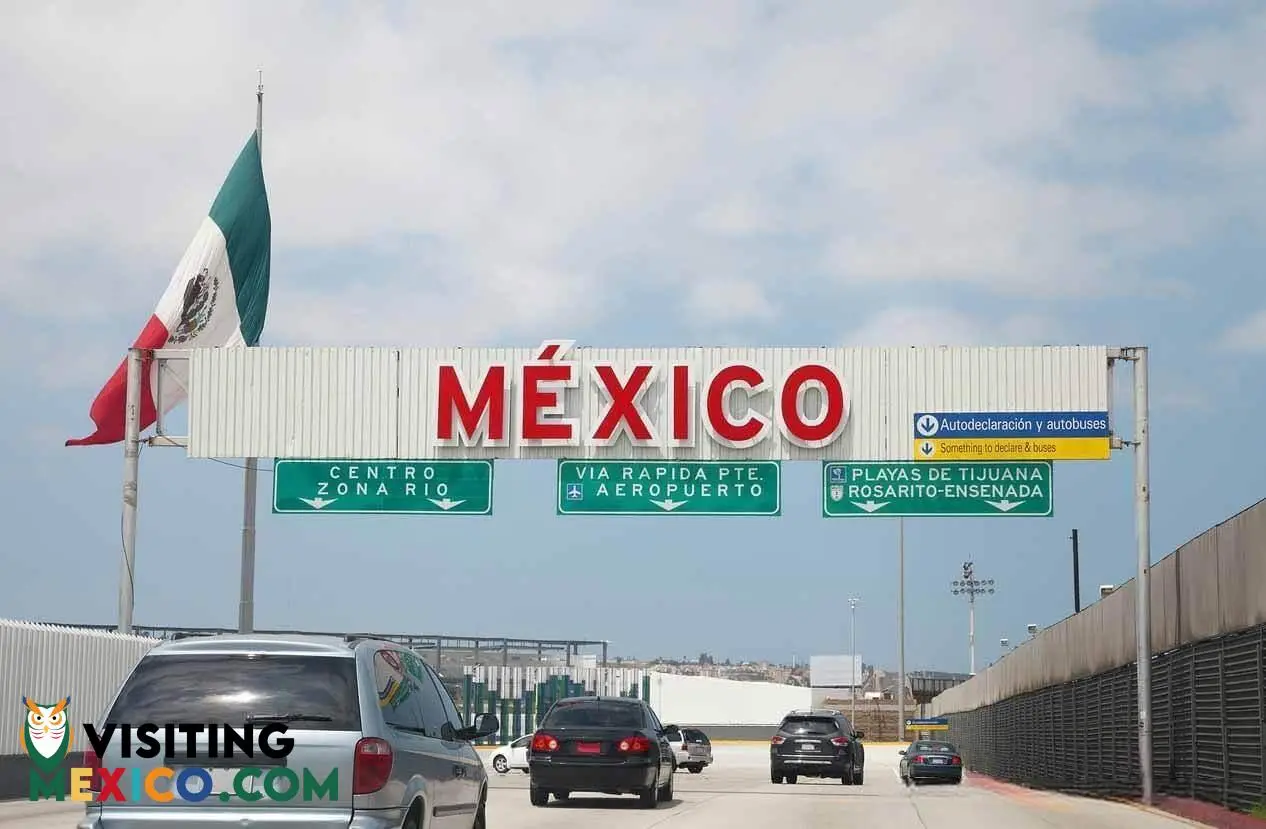
Is Mexico Safe to Travel?
Mexico is a large country, and safety varies by state, city, highway, neighborhood, and time of day. The best answer is not simply “yes” or “no.” Travelers should check the current U.S. State Department advisory, review their exact route, stay on main roads, use daylight for long drives, and follow local guidance.
Many popular destinations welcome travelers every day, but advisory levels and route restrictions matter. Plan by destination and route, not by national headlines.
How to Read Mexico Travel Advisories
The U.S. State Department assigns an overall advisory level to Mexico, then adds state-by-state guidance because safety conditions vary widely by region, city, highway, and route.
As of the current advisory reviewed for this update, Mexico is listed overall as Level 2: Exercise Increased Caution, with some states at Level 1, Level 2, Level 3, and Level 4. Always verify the official advisory before travel because levels can change.

Travel Advisory Levels
Level 1 means exercise normal precautions. Level 2 means exercise increased caution. Level 3 means reconsider travel. Level 4 means do not travel.
Current Mexico Advisory Levels by State
Level 4: Do Not Travel
States currently listed at the highest advisory level.
- Colima
- Guerrero
- Michoacán
- Sinaloa
- Tamaulipas
- Zacatecas
Level 3: Reconsider Travel
States where travelers should carefully evaluate whether travel is necessary, review route-specific restrictions, and check official guidance before departure.
- Baja California
- Chiapas
- Chihuahua
- Coahuila
- Guanajuato
- Jalisco
- Morelos
- Sonora
Level 2: Exercise Increased Caution
States where travelers should use added awareness, especially after dark, outside tourist areas, on highways, or in unfamiliar neighborhoods.
- Aguascalientes
- Baja California Sur
- Durango
- Hidalgo
- Mexico City
- Mexico State
- Nayarit
- Nuevo León
- Oaxaca
- Puebla
- Querétaro
- Quintana Roo
- San Luis Potosí
- Tabasco
- Tlaxcala
- Veracruz
Level 1: Exercise Normal Precautions
States currently listed at the lowest advisory level.
- Campeche
- Yucatán
A state-level advisory does not mean every city, beach, highway, or tourist zone has the same risk. Check the official advisory, local news, hotel guidance, route conditions, and recent traveler reports before you go.
Practical Safety Tips for Mexico Travelers
Check the Official Advisory
Review the State Department page before booking and again before departure. Advisories and restrictions can change.
Use Daylight for Long Drives
Plan road trips so you arrive before dark, especially on rural roads, mountain routes, border highways, and unfamiliar corridors.
Stay on Main Routes
Use toll roads and major highways where practical. Avoid remote shortcuts unless you have current local confirmation.
Avoid High-Risk Areas
Do not treat a tourist map as a safety map. Some advisory restrictions are very specific to highways, neighborhoods, municipalities, or rural areas.
Share Your Route
Send your route and arrival plan to someone you trust. Keep your phone charged and download offline maps.
Enroll in STEP
U.S. citizens can enroll in the Smart Traveler Enrollment Program to receive alerts and help the U.S. Embassy contact them in an emergency.
Special Notes for Drivers
Travel advisories matter even more when you are driving because your route may pass through different advisory zones. A destination may be considered manageable, while the road to get there may require extra caution or a different route.
Review Route Restrictions
Some states have very specific U.S. government employee restrictions by highway, city, time of day, or method of arrival.
Use Toll Roads
Cuotas are often faster, better maintained, and easier for long-distance travelers than free roads.
Read Toll Roads in Mexico →Carry Mexico Insurance
U.S. insurance is not recognized by Mexican authorities for liability you cause to others. Carry Mexico liability coverage at minimum.
Know What to Do at Checkpoints
Cooperate, keep documents accessible, and avoid any behavior that could appear aggressive.
Read Driving in Mexico →For road trips, check every state and highway on your route. A safe destination still requires a safe route, daylight timing, fuel planning, and backup lodging options.
Driving to Mexico?
Safety Planning Starts Before the Border
Before driving south, review the advisory, confirm your route, carry documents, download offline maps, check road conditions, and get Mexico auto insurance.
Need Mexico Insurance?
Get Mexico insurance before crossing and keep your claims information available offline.
Get Instant QuoteMexico Travel Advisory FAQ
Is Mexico safe to visit?
Mexico is a large country with very different safety conditions by state, city, and route. Review the current U.S. State Department advisory, local conditions, and destination-specific guidance before travel.
What does Level 4 mean?
Level 4 means “Do Not Travel.” The State Department uses this level for areas with serious safety risks.
What does Level 3 mean?
Level 3 means “Reconsider Travel.” Travelers should carefully evaluate the trip, review restrictions, and consider safer alternatives.
Should I avoid all of Mexico because some states are Level 4?
No. The advisory is state-specific. Some states are Level 4, while others are Level 3, Level 2, or Level 1. Always evaluate your specific destination and route.
Do I need separate insurance to drive to Mexico?
Yes. Even if a U.S. carrier covers your vehicle for limited physical damage or theft in Mexico, U.S. insurance is not recognized by Mexican authorities for damage you cause to others. At minimum, carry Liability Only coverage from a Mexican carrier. Learn more about driving laws in Mexico or get a quote from GoBuho.com.